
Latest funding results of the Alzheimer Society Research Program
Each year, the Alzheimer Society Research Program funds dementia researchers across Canada, with a common goal of changing the future of Alzheimer’s disease and other dementias. In 2026, we awarded over $4.1 million to 31 researchers nationally.

In 2026, the Alzheimer Society Research Program is investing $4.1 million in 31 researchers and their projects. Thanks to generous donors and funding partners, including Brain Canada Foundation and the Saskatchewan Health Research Foundation.
The Alzheimer Society Research Program funds dementia research in Canada, through four award categories: Proof of Concept Grant, Doctoral Award, Postdoctoral Award and New Investigator Grant. The types of research we fund fall into eight priority areas, listed below.
Care
Care
Dr. Mahsa Dadar, Douglas Research Centre

Co-funded with Brain Canada Foundation
Title: Understanding the impact of socioeconomic inequities, social support, and cognitive resilience in Alzheimer’s Disease
Award/Grant: New Investigator Grant
Alzheimer’s disease affects hundreds of thousands of Canadians, yet not everyone is affected in the same way. Black, Hispanic, and lower-income older adults often experience higher rates of dementia, but we do not fully understand why. Some people with similar levels of brain changes remain mentally sharp, a phenomenon called cognitive reserve. This study will explore how factors such as education, income, neighborhood quality, and social support influence brain health and cognition across different racial and ethnic groups. Our goal is to determine which protective factors are most important for each community. Our findings will help doctors, healthcare workers, and community organizations develop better; more personalized strategies tailored to each community's needs to ensure everyone has equal opportunities to maintain cognitive health and independence as they age.
Dr. Ashwini Namasivayam-MacDonald, McMaster University

Co-funded with Brain Canada Foundation
Title: Dysphagia Cooking Club: Creating Safe and Culturally Meaningful Meals for People Living with Dementia and Their Caregivers.
Award/Grant: Proof of Concept Grant
Many people living with dementia develop swallowing problems, which can make eating unsafe and stressful for families. Caregivers are often left to manage these challenges with little guidance, especially when trying to prepare foods that are both safe and culturally meaningful. This project will develop the Dysphagia Cooking Club, a series of simple, culturally inclusive cooking videos and recipes co-created with caregivers from diverse backgrounds. Working with healthcare professionals and a chef, we will adapt familiar meals to be safer for swallowing while keeping their cultural identity and enjoyment. We will test whether these resources improve caregivers’ confidence, reduce stress, and support safer, more enjoyable mealtimes. By combining real life experiences with practical guidance, this project aims to turn mealtimes from a source of worry into moments of connection, comfort, and care for families living with dementia.
Dr. Signy Sheldon, The Royal Institution for the Advancement of Learning/McGill University

Co-funded with Brain Canada Foundation
Title: Music-Based Interventions to Engage Memory in Individuals Living with Dementia.
Award/Grant: Proof of Concept Grant
Even though memory loss is one of the most debilitating features of dementia, several studies has revealed the ability of music to trigger the recall of old memories is relatively preserved in people living with dementia. Yet, we don’t exactly what feature of music activates memories. This goal of this project is to answer this question by studying how features of music, personal familiarity and emotional quality, can help improve memory for people living with dementia. Unlike prior work that has tried to answer this question with artificial laboratory tasks, we plan to carry out our investigations with real-world memory tasks that reflect everyday situations, such as remembering to take medication or share stories of the past. In doing so, we can provide knowledge that can directly translate into better, more personalized music-based programs that can improve quality of life for people living with dementia.
Dr. Fernanda De Felice, Queen's University

Title: Integrating Alzheimer’s disease blood-based biomarkers, wearables and machine learning to develop health surveillance instruments
Award/Grant: Proof of Concept Grant
Alzheimer’s disease can begin decades before memory symptoms, but current diagnostic tools are often expensive, invasive, or accessible only after the decline is clear. This project will test whether everyday smartwatch signals, including sleep, heart rate, and physical activity, can help detect early biological changes linked to Alzheimer’s disease. Older adults with and without memory concerns will complete cognitive assessments, wear a study-provided smartwatch for at least three months, and provide blood samples for Alzheimer’s-related protein measurements. Using artificial intelligence, we will examine whether wearable data can predict blood biomarkers and cognitive performance. If successful, this research could support a low-cost, non-invasive approach to monitoring brain health at home, identifying people who may benefit from earlier testing, referral, and care. Continuous remote monitoring may also help patients, caregivers, and clinicians track changes over time, improve communication, and support more timely treatment, lifestyle planning, and future care decisions.
Dr. Stephanie Chamberlain, University of Alberta

Title: Health Equity in Aging: Examining Outcomes for People Living with Dementia from Linguistic Minorities in Continuing Care Settings
Award/Grant: New Investigator Grant
Dementia affects memory and communication. For people who do not speak English or French, receiving optimal care in long-term care or supportive living homes can be even more difficult. Language barriers can lead to misunderstandings and poor health outcomes, but we do not yet fully understand care outcomes in Alberta. This study will explore how language affects health, quality of life, and care experiences of people living with dementia in Alberta’s care homes. We will analyze health records and conduct interviews with residents, family/friend care partners, and staff, including people living with dementia as active participants in the research. Our findings aim to help care home staff communicate better, provide safer and more personalized care, and reduce stress for family/friend care partners. Ultimately, we aim to ensure that everyone, regardless of the language they speak, receives the quality of care they deserve.
Dr. Adebusola Adekoya, University of Waterloo

Title: Implementation of Alert Systems for Missing Persons with Dementia: Co-designing Evidence-Informed Solutions
Award/Grant: Postdoctoral Award
Alert systems notify the public about missing persons with dementia through mobile apps or media broadcasts. Recent research identified the need for evidence to demonstrate the effectiveness of these systems, guide policy, and justify ongoing funding. This study aims to design and test evidence-informed strategies to improve the implementation and use of alert systems, guided by the Non-Adoption, Abandonment, Scale-up, Spread, and Sustainability (NASSS) framework. A mixed-methods approach will include secondary analysis of data (interviews, focus groups, policy documents) on implementation of alert systems (Adekoya et al. 2025), followed by collaboration with 10–15 interest holders, including people living with dementia, care partners, service providers, first responders, and policymakers to co-develop strategies, which will be pilot tested in two Canadian communities. Findings will inform recommendations to strengthen policy, improve community response, and enhance the safety and quality of life of people living with dementia at risk of going missing.
Dr. Samar Muslemani, Université Laval

Title: Décrire la qualité de vie sexuelle des personnes aînées vivant avec un trouble neurocognitif majeur : une approche intégrée de recherche participative et de théorisation ancrée
Award/Grant: Postdoctoral Award
Sexuality remains important for health and well‑being throughout life, including for older adults living with dementia. Yet their sexual needs are often ignored or misunderstood, which can lead to frustration, loneliness, or distress. This project aims to better understand what sexual quality of life means for people with dementia and their loved ones, what affects it, and how healthcare services can better support it. We will interview older adults with dementia and their family members to learn directly from their experiences. Together with a committee that includes a person with dementia, a family member, clinicians, and researchers, we will co‑create a model explaining the factors that shape sexual well‑being. The results will lead to practical tools and recommendations to help healthcare professionals offer respectful, safe, and person‑centred support.
Ting Wang, McGill University

Title: Care Trajectories of Older Adults with Dementia and Cardiovascular Disease: A Mixed Methods Study
Award/Grant: Doctoral Award
My mixed methods project examines how older adults in Quebec living with both cardiovascular disease and dementia move through the healthcare system over time. These “care journeys” can be complex and difficult to navigate, especially when sociodemographic factors such as income, language, or place of residence affect care access and engagement. Using medico-administrative data, I will develop a typology of care journeys based on patient profiles and predict future service use. In addition, I will explore lived experiences through interviews with patients and caregivers. Together, these components will help identify common patterns, gaps, and barriers in care. My goal is to better understand what works, what does not, and why. This knowledge will help inform improvements in healthcare services so that care is more coordinated, accessible, and tailored to people’s needs, ultimately improving quality of life for those affected.
Anna Marier, Douglas Research Centre/McGill University

Title: Adapting and Evaluating a Rural Home-Based Virtual Primary Care Memory Clinic Model.
Award/Grant: Doctoral Award
Over the next 4 years, we will develop and validate three tasks sensitive to subtle changes in (a) how individuals speak; and (b) how good they are at naming people and objects.
Our task will be aimed at detecting the earliest changes Alzheimer’s disease is likely to elicit within the brain. With it, we hope to provide a reliable method for early detection of this disease that is suitable for screening at a population scale, as the task will be low cost; non-invasive; quick; and deployable in remote locations. It will be administered on a tablet; freely available to clinicians across the country; and capable of providing instantaneous results. Beyond its benefits in disease screening, repeated administration of our test should prove equally useful in tracking disease progression over time.
Following the development phase, we will examine the test’s performance and attributes in comparison to existing methods and self-reported concerns.
Heather Alford, University of Saskatchewan

Co-Funded with Saskatchewan Health Research Foundation
Title: Co-Designing a Family-Centred Guide to Support Nutrition and End-of-Life Dementia Care in Long-Term Care Settings
Award/Grant: Doctoral Award
As dementia progresses, people often experience challenges with eating and swallowing, especially near the end of life. Families and healthcare providers face difficult choices about nutrition care, often with little guidance or support. This research brings together families, staff, and community partners to co-design practical support resources for nutrition care in long-term care. These resources will help improve communication, reduce stress, and centre care around what matters most to the person living with dementia. The study will begin by learning from families and staff about their experiences, then move into collaborative workshops to design and refine the support resources together. By grounding the research in lived experience, the goal is to create meaningful, family-centred supports that help care teams navigate nutrition care with confidence, compassion, and connection.
Dr. Venkat Bhat, St. Michael’s Hospital, Unity Health Toronto / University of Toronto

Title: MIND-AD: Mental health and Innovative digital tools for Neuropsychiatric symptoms in Alzheimer’s Disease
Award/Grant: New Investigator Grant
MIND-AD is a new conversational AI tool designed as an information resource and support platform for people living with mild Alzheimer’s disease who are also experiencing depression, anxiety, or everyday thinking challenges. Developed by the AI for Mental Health Program led by Dr. Venkat Bhat, working alongside pan-Canadian partners, MIND-AD uses generative and agentic AI to provide personalized emotional support, practical coping strategies, reminders, and connections to trusted community resources. Unlike traditional digital tools, MIND-AD is designed to have supportive conversations that adapt to each person’s needs while maintaining strong safety and human oversight. The platform is being co-designed with people living with dementia, care partners, and clinicians to ensure it is respectful, accessible, and easy to use. This pilot study will evaluate whether MIND-AD is safe, feasible, and helpful in improving mood, quality of life, and day-to-day functioning for people living with Alzheimer’s disease and those supporting them.
Cause
Cause
Dr. Vincent Picher-Martel, Université Laval

Title: FACS-based genome-wide CRISPRi screen to identify common modulators of autophagy in iPSC-derived bvFTD-associated neurons
Award/Grant: New Investigator Grant
Frontotemporal dementia (FTD) is a condition that affects behaviour, personality, and language, often at a younger age than other dementias. In this project, we are studying how brain cells normally clear waste and damaged proteins, a process called “cellular recycling.” When this system does not work properly, harmful proteins can build up and damage brain cells. We will use human stem cells to create brain cells in the lab and develop new tools to measure how well this recycling system works in real time. We will then test new strategies to restore this process and improve cell health. Our goal is to better understand why brain cells become vulnerable in FTD and to identify new targets for future treatments that could slow or prevent disease progression.
Eve-Marie Frigon, McGill University/Douglas Research Centre

Title: Investigating the prevalence and pathological correlates of cerebrovascular lesions in aging and neurodegenerative disorders.
Award/Grant: Postdoctoral Award
Researchers have discovered that brain blood vessels may become unhealthy and contribute to the development of neurodegenerative diseases (NDDs). In addition to causing dementia, brain vascular changes interact with NDDs, but we still don’t fully understand how. Magnetic resonance imaging (MRI) can show signs of blood vessel disease, but it cannot reveal the microscopic changes behind the visible lesions. To learn more, we need to compare MRI scans with examination of brain tissue under a microscope. Therefore, we are studying more than 250 postmortem donated brains with NDDs from the Douglas-Brain-Bank. Then, we collect tissue samples from these areas, perform very-high-resolution MRI, and examine them under a microscope for disease markers such as changes in cells, proteins, and blood vessels structures. By combining MRI and microscopy, we aim to better understand what these MRI signals mean biologically. This will help us compare how severe vascular changes are across NDDs.
Dr. Louis-Philippe Picard, Université de Sherbrooke/CRCHUS

Title: Modulating APP–Gαo Signaling to Prevent Neurodegeneration in Alzheimer’s Disease
Award/Grant: New Investigator Grant
In Alzheimer’s disease, brain cells gradually lose their ability to communicate and survive. Amyloid precursor protein (APP), best known as the source of amyloid plaques, also helps regulate signals that protect neurons. When APP signaling is disrupted, harmful processes can lead to memory loss and cell death. This project will investigate how APP controls these protective pathways and develops small protein fragments (peptides) designed to restore healthy communication between brain cells. By studying APP interactions with its signaling partners, we will design and test peptides that strengthen the brain’s natural defenses. These peptides will be evaluated in human stem cell–derived brain cells to determine whether they reduce key Alzheimer’s-related changes, including abnormal protein accumulation and impaired cell function. This research may reveal new therapeutic strategies to preserve neuronal health, slow memory decline, and improve quality of life for people living with Alzheimer’s disease and other forms of dementia.
Dr. Jonathan Gallego Rudolf, Simon Fraser University
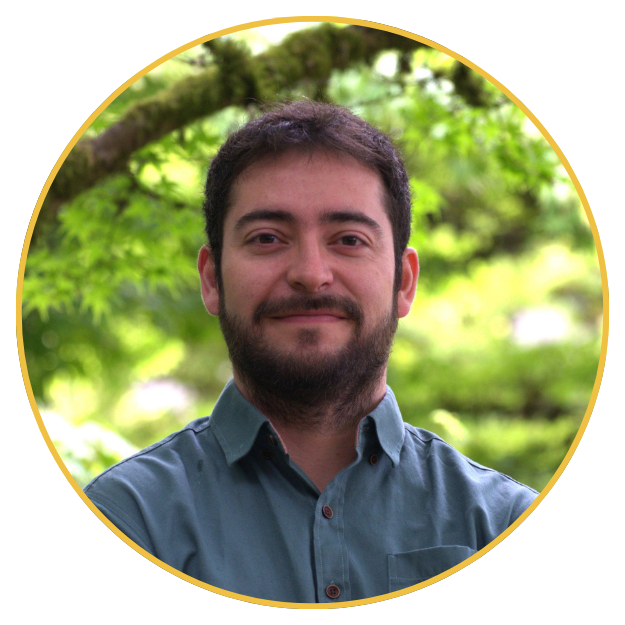
Title: Neurophysiological activity trajectories across the healthy and pathological lifespan
Award/Grant: Postdoctoral Award
My research aims to better understand how brain activity changes across the lifespan and how these changes differ in people at risk for or living with Alzheimer’s disease (AD). Using magnetoencephalography (MEG), a safe and non-invasive brain imaging technique that measures the brain’s magnetic signals, we will build one of the world’s largest datasets including healthy individuals from childhood to older age as well as people living with AD. By comparing patterns of healthy brain aging with those associated with AD, we hope to identify pathological changes in brain function and the factors that contribute to them. This study will improve our understanding of how AD develops, support earlier and more accurate detection, and help identify new targets for treatment. Ultimately, these findings could guide the development of interventions aimed at slowing or preventing disease progression and improving the quality of life of people living with dementia and their families.
Marina Pereira Gonçalves, McGill University

Title: How Microglia Respond to Early Events in Alzheimer’s Disease
Award/Grant: Doctoral Award
Alzheimer’s disease is linked to the accumulation of two harmful proteins in the brain: amyloid and tau. Researchers believe these proteins accumulate not only because the brain abnormally produces them, but also because the brain’s natural systems that clean harmful substances stop working properly. One of these systems involves microglia, specialized immune cells that help protect the brain, including by removing toxic proteins. In Alzheimer’s disease, however, microglia struggle to do their job. We believe that changes in the brain and amyloid buildup affect how microglia manage harmful proteins, including tau, which is more strongly linked to memory loss and other symptoms. My research aims to investigate how these early changes affect microglia function. Using human microglia and samples from people at different stages of Alzheimer’s disease, I will study how changes in the brain environment may contribute to impaired protein clearance, inflammation, and consequent cognitive decline.
Diagnosis
Dr. Bradley Buchsbaum, Baycrest Academy

Co-funded with Brain Canada Foundation
Title: Drawing Meaning: AI‑Enhanced Annotation and Cognitive Feature Extraction from Clock Drawing Tests
Award/Grant: Proof of Concept Grant
The clock drawing test is a simple, familiar task — patients are asked to draw a clock — that doctors have used for decades to check for memory and thinking problems. Today it is usually scored only as a pass or fail, even though the drawing holds far richer clues about a person’s thinking skills. Our project, Clock2Vec, uses artificial intelligence to read a photo of a hand-drawn clock and identify specific patterns of errors. We will link those patterns to particular thinking abilities — such as planning, attention, and spatial skills — using thousands of clock drawings paired with detailed cognitive tests. The result will be an easy-to-understand report that helps clinicians decide which follow-up tests a person may need. Our goal is faster, fairer, and more accessible cognitive screening, using only a smartphone camera and a piece of paper.
Dr. Joel Ramirez, Sunnybrook Research Institute

Title: Two Populations, Two Stories: Rethinking Alzheimer’s Disease Biomarkers in Japan and North America
Award/Grant: Proof of Concept Grant
Most of the science guiding Alzheimer's diagnosis comes from Western, European-descent populations, where women appear to be at higher risk than men. But these patterns may not hold globally. Japan has one of the oldest populations in the world, yet lower Alzheimer's rates. How does ethnicity, lifestyle, and genetics shape these differences? We will study whether the signs of Alzheimer's — from brain scans, genetics, blood tests, and memory tests — reflect the same underlying processes across populations. Comparing data from over 3,000 men and women in Japan, the U.S., and Canada, we will apply machine-learning tools, with rigorous expert quality control, to examine how biology connects to cognition across ethnicity, culture, and sex. Our findings will shed light on whether current Alzheimer's biomarkers hold true across demographic and geographic boundaries, moving the field toward a more accurate, inclusive science.
Dr. Caroline Dallaire-Théroux, Cumming School of Medicine/University of Calgary/Hotchkiss Brain Institute

Title: Disentangling Dual Pathologies: Integrated Plasma and CSF Biomarker Profiling in the Alzheimer’s Spectrum with and without Concomitant Cerebrovascular Disease
Award/Grant: Postdoctoral Award
Aging-related memory problems are often caused by a combination of Alzheimer’s disease and damage to blood vessels in the brain, making diagnosis and treatment more difficult. My research aims to identify blood and spinal fluid markers that can better distinguish these overlapping conditions, including cerebral amyloid angiopathy (CAA), a common vascular disease linked to Alzheimer’s. Using data from large Canadian aging studies, I will examine how these biomarkers relate to structural and vascular abnormalities seen on brain scans and whether they can predict future cognitive decline. I will also use advanced protein analysis techniques to discover new markers of vascular damage in the brain. Ultimately, this work could lead to simpler and less invasive tools for earlier and more accurate diagnosis of dementia, helping clinicians personalize treatments, improve patient safety with emergent Alzheimer’s disease therapies, and support better quality of life for older adults and their families.
Aleksandra Novozhilova, McGill University

Title: Sex Differences in the Impact of White Matter Degradation on Verbal Memory Decline Across the Alzheimer's Disease Continuum
Award/Grant: Doctoral Award
Women represent an overwhelming majority of Alzheimer’s Disease cases and once diagnosed these patients typically experience faster memory loss. My project tackles this public health issue by trying to understand what causes this dynamic. I focus on verbal memory, cognitive domain women consistently outperform men in. This advantage in verbal memory can be a form of sex-specific form of cognitive reserve. In other words, better verbal memory abilities may allow women to maintain better cognitive performance until a critical level of pathology is reached. My goal is to understand if the brain mechanisms that support this reserve can actually be the reason we see faster clinical progression of symptoms in women.
Epidemiology
Epidemiology
Risk
Risk
Dr. Zahra Jafari, Dalhousie University

Co-funded with Brain Canada Foundation
Title: An Inclusive Approach Towards Developing Biomarkers of Subjective Cognitive Decline and Progression to Dementia
Award/Grant: New Investigator Grant
Many older adults notice changes in memory or thinking before these changes appear on standard cognitive tests. This stage, called subjective cognitive decline, can sometimes be an early warning sign of future dementia. Current memory tests often depend on spoken language, which can make them less fair and less accurate for people from different cultural or language backgrounds. This study will develop a more inclusive method for detecting early brain changes by measuring mental effort during simple visual memory tasks while an eye-tracking device records eye movement. We will compare people with and without subjective cognitive concerns and then follow them for three years to see who develops significant cognitive change. We aim to create an inclusive tool that can identify people at higher risk earlier. Earlier detection could help individuals, families, and health-care providers plan support sooner and improve access to timely care for people at risk of dementia.
Anjali Bedi, McMaster University

Title: Inequities in Aging: Addressing Gaps in Dementia Risk Among Diverse Midlife Populations
Award/Grant: Doctoral Award
Dementia affects millions worldwide and is rising fastest among Asian, Indigenous, Caribbean, and African-origin communities in Canada. Many cases may be preventable by addressing midlife risk factors such as chronic stress, social isolation, and high blood pressure. However, social and economic barriers can limit people’s ability to reduce these risks, and many communities remain underrepresented in dementia research. This study will identify which midlife experiences and lifestyle factors most strongly influence dementia risk and examine where diverse communities are missing from existing research. Using national Canadian data, we will explore whether these risk factors affect people differently across racial and ethnic groups. We will also interview and survey adults from underrepresented communities to better understand how they perceive and respond to dementia risk. The findings will help improve dementia prevention programs, resources, and communication strategies for diverse communities across Canada.
Kritleen Bawa, University of Calgary

Title: Sex differences in the relationship between inflammation and cognition, behaviour, and function in people at risk of neurodegenerative diseases
Award/Grant: Doctoral Award
With aging, people might develop changes in their memory/thinking, behaviour/personality, and/or ability to function. If these difficulties worsen until everyday tasks become hard, it is called dementia; Alzheimer disease (AD) is the most common form. Our immune system produces inflammatory markers, which can build up and become toxic to brain cells, as seen in AD. Biological sex (male/female) is also an important factor in AD, with females at a greater risk. Since the immune system plays an important role in AD, and behaves differently in males and females, this study aims to address if and how the relationship between inflammation and changes in memory/thinking, behaviour/personality, and function differ based on sex in non-dementia participants. It also assesses if inflammation can predict dementia diagnosis. Targeting AD in earlier stages and understanding how it develops/progresses in males and females can help us discover strategies and treatments to stop the progression to dementia.
Dr. Alana Brown, Rotman Research Institute, Baycrest Academy for Research and Education

Title: Leveraging big data to understand the roles of sex and gender in sleep-cognition dynamics across stages of cognitive impairment
Award/Grant: Postdoctoral Award
One often overlooked risk factor for dementia is poor sleep quality. Approximately 50% of older adults report sleep problems, yet sleep is not routinely addressed in dementia prevention or clinical care. This gap is especially important for women, who are more likely than men to develop Alzheimer’s disease, the leading cause of dementia, and experience poor sleep quality. This project will examine: (1) how sleep quality influences memory and brain health over time, and (2) which biological and social factors help explain sex differences in Alzheimer’s disease risk. We will analyze sleep, brain imaging, and memory data from several large databases. Unlike past research focused on single sleep features, such as sleep duration, this project examines multiple aspects of sleep using both subjective measures (how people perceive their sleep) and objective measures (sleep measurements recorded by devices), while evaluating how sex and gender shape these relationships across aging.
Therapy
Therapy
Dr. Lisa Topolnik, Université Laval/CRCHU

Co-funded with Brain Canada Foundation
Title: Restoring Hippocampal Disinhibition to Reverse Early Memory Deficits in Alzheimer’s Disease
Award/Grant: Proof of Concept Grant
Alzheimer’s disease can affect memory and thinking by changing how brain cells communicate. Our project looks at early changes in the hippocampus, a part of the brain important for learning and memory. We are focusing on a small group of brain cells – VIP interneurons – that help control the flow of information during memory formation. Our previous work suggests that these cells may stop working properly before major memory problems appear. In this study, we will test whether restoring their activity can improve memory in a mouse model of Alzheimer’s disease. Rather than focusing only on the buildup of disease-related proteins, this project explores whether repairing brain communication networks could help protect memory earlier. The long-term goal is to support the development of new approaches that may help people living with dementia maintain brain function, independence, and quality of life for longer.
Mathew Joshy, Western University

Title: Restoring Impaired Brain Energy Metabolism in Alzheimer’s Disease through Ketogenic Supplementation
Award/Grant: Doctoral Award
The brain needs a lot of energy and usually gets it from glucose. In Alzheimer’s disease, the brain has trouble using glucose, creating an energy shortfall that may begin years before symptoms appear. Ketones are an alternative fuel for the brain, and a safe ketone drink may help support brain function in early Alzheimer’s disease. In this study, people with early Alzheimer’s disease will attend two visits: one after consuming a ketone drink and one after a placebo. We will use advanced brain imaging to measure oxygen consumption in the brain, which tells us how much energy the brain is using. We will assess whether the ketone drink improves energy use across brain regions vulnerable to Alzheimer’s disease. This study will provide the first direct evidence of whether a ketone supplement can improve brain energy use in early Alzheimer’s disease, supporting future research on ketone-based approaches to improve brain function.
Translational
Translational
Dr. Newman Sze, Brock University

Co-funded with Brain Canada Foundation
Title: Restoring Cerebrovascular Health in Alzheimer’s Disease by Targeting Molecular Damage in the Neurovascular Unit
Award/Grant: Proof of Concept Grant
Alzheimer’s disease is linked to the build-up of harmful proteins in the brain and damage to brain blood vessels. In many people, especially in later life, this build-up happens because the brain cannot clear these proteins effectively. Our research focuses on understanding how aging damages the blood vessels in the brain and reduces this natural cleaning process. We have discovered that certain age-related protein changes may block the removal of these harmful substances. This project aims to develop a new antibody-based treatment to repair blood vessel function and restore the brain’s ability to clear the damaged proteins. By improving this natural clearance system, we hope to prevent or slow down Alzheimer’s disease and vascular dementia.
Dr. Satyabrata Kar, University of Alberta
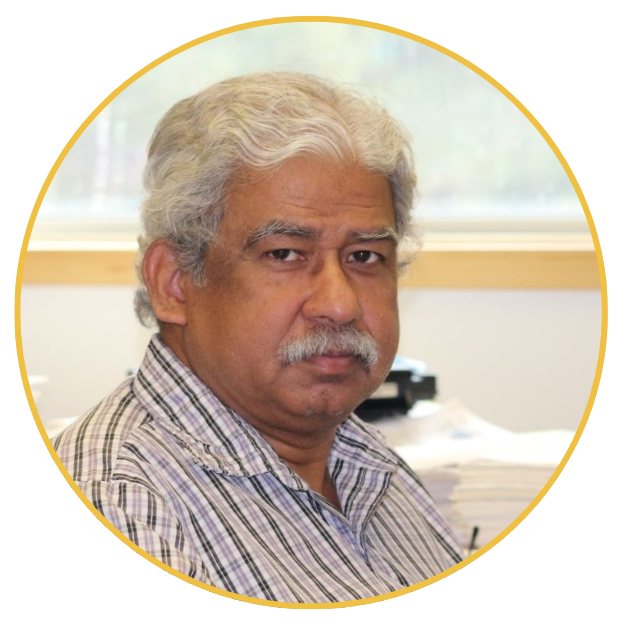
Co-funded with Brain Canada Foundation
Title: Significance of native PEG-PLGA nanoparticles in the treatment of Alzheimer’s disease pathology
Award/Grant: Proof of Concept Grant
At present, there is no effective treatment to arrest the progression of Alzheimer disease (AD) - the most common cause of dementia affecting the elderly. The disease is caused by accumulation of two distinct clumps of proteins in the brain called neuritic plaques and neurofibrillary tangles formed by amyloid beta peptide and tau protein, respectively. Evidence suggests that increased levels and aggregation of these proteins contribute to cell death and subsequent development of AD pathology. In this study, using in vitro studies and cellular/animal models, we will evaluate the implication of a novel biomolecule called PEG-PLGA nanoparticles for the treatment of AD. Given our recent data, we believe that PEG-PLGA will attenuate aggregation/conversion of amyloid beta peptide and tau protein into toxic forms and reduce neuronal death and pathology in cellular/animal models of AD. This is a disease-modifying, translational project, which may provide a novel nanoparticle-based treatment strategy for AD patients.
Treatment
Treatment
Dr. Maryam Faiz, University of Calgary

Co-funded with Brain Canada Foundation
Title: Building humanized brain models for the study of direct lineage reprogramming in Alzheimer's disease
Award/Grant: Proof of Concept Grant
Alzheimer's disease causes memory loss due to progressive brain damage. Current treatments only offer modest symptomatic relief, highlighting the need for new approaches. Recent studies have shown that early changes in two types of ‘support’ cells in the brain contribute to disease progression. Astrocytes, important for maintaining brain health, become dysfunctional and drive inflammation and protein spreading, while oligodendrocytes, cells that produce myelin and enable fast neuronal transmission, die. We have developed a new therapeutic approach in which disease-promoting astrocytes are converted into new, healthy oligodendrocytes. This project will test whether its application in Alzheimer’s disease will result in disease improvement. Using human brain models, we will determine if astrocyte-to-oligodendrocyte conversion can change disease features, such as toxic protein buildup, inflammation, and neuron health. Success will provide proof-of-principle findings for astrocyte-to-oligodendrocyte reprogramming as a new therapeutic for Alzheimer’s disease.
Dr. Aravind Ganesh, University of Calgary

Co-funded with Brain Canada Foundation
Title: Remote ischemic conditioning to mitigate neurodegeneration in Alzheimer Disease
Award/Grant: Proof of Concept Grant
We need new ways to treat Alzheimer’s Disease (AD). People with AD are keen to try non-drug therapies but none are approved for treating AD. Remote ischemic conditioning (RIC) is a non-drug therapy that involves inflating and deflating blood pressure cuffs repeatedly in the arm or leg. In mice, RIC seems to change processes involved in AD and improve cognitive decline. It has not been tested in patients with AD. We will conduct a clinical trial, called TRIC-AD, to answer two main questions: 1. Do patients with AD who receive RIC show changes in blood markers that are relevant to AD, compared to sham therapy? 2. Are patients with AD able to tolerate treatment with RIC? Can they adhere to this therapy over one year?
Dr. Jeremy Walsh, McMaster University

Co-funded with Brain Canada Foundation
Title: Fuel for Thoughts: The effect of exercise and ketone supplementation on brain and muscle function in subjective cognitive decline
Award/Grant: Proof of Concept Grant
Before dementia occurs, the brain has issues getting enough energy and blood flow. This causes subjective cognitive decline (SCD) and is an early warning sign for dementia. Exercise and ketone supplements may help correct these problems. Stronger muscles can boost blood flow and energy delivery to the brain, while ketone supplements provide an additional fuel source to support brain function.
This study will test if exercise training and daily ketone drinks can improve brain and muscle health in adults with SCD aged 60 to 80 years. Participants will do strength and cardio exercise 3x/week and take either a ketone or placebo drink 3x/day for 12 weeks. We will use specialized brain scans (MRI) to measure brain function and brain blood flow. We will also measure cognitive abilities, muscle function, and take muscle samples. This study will help discover new ways that lifestyle changes can protect against dementia in aging.