
What the federal announcement on MAiD means for people living with dementia
On October 7, the federal government announced plans to introduce legislation that would allow advance requests for Medical Assistance in Dying (MAiD) in certain circumstances. This could include people who may lose decision-making capacity because of a serious illness or condition such as dementia.
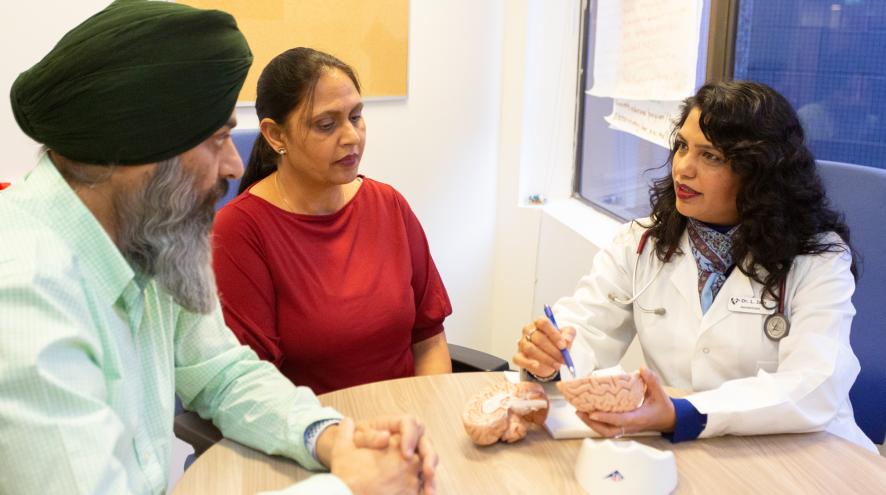
“We’re really pleased that people living with dementia will have more options available to them, so they can make the end-of-life decisions that work for them,” says Rebecca Frederick, Director of Engagement, in an interview with Global TV.
The plans to introduce legislation that would allow advance requests for MAiD raise important questions for people living with dementia, their families and care partners.
What is an advance request for MAiD?
An advance request would allow a person to set out conditions for MAiD while they still have decision-making capacity. The request could apply later if conditions are met after the person loses the ability to make this decision.
This is different from a waiver of final consent, which is permitted in certain circumstances under current law. Advance requests for MAiD are not currently permitted under federal law.
Has the law changed?
No. The government has announced plans to introduce legislation, but the law has not changed yet. Advance requests for MAiD are still not allowed under the federal Criminal Code. Current rules for MAiD in British Columbia and the Yukon remain unchanged.
What happens next?
There are still important questions about what the proposed legislation will include and how any changes would work within provincial health-care systems. The Alzheimer Society of BC and Yukon will continue to follow developments and consider what they could mean for people living with dementia and their families.
We know that MAiD is a deeply personal and complex topic. Whatever your questions or concerns, support and reliable information are important.
For more information about end-of-life care and available supports, click here, or contact the First Link® Dementia Helpline.