
Canada’s Drug Agency has reversed its draft recommendation for lecanemab funding
The Agency now recommends public reimbursement for the disease-modifying therapy.
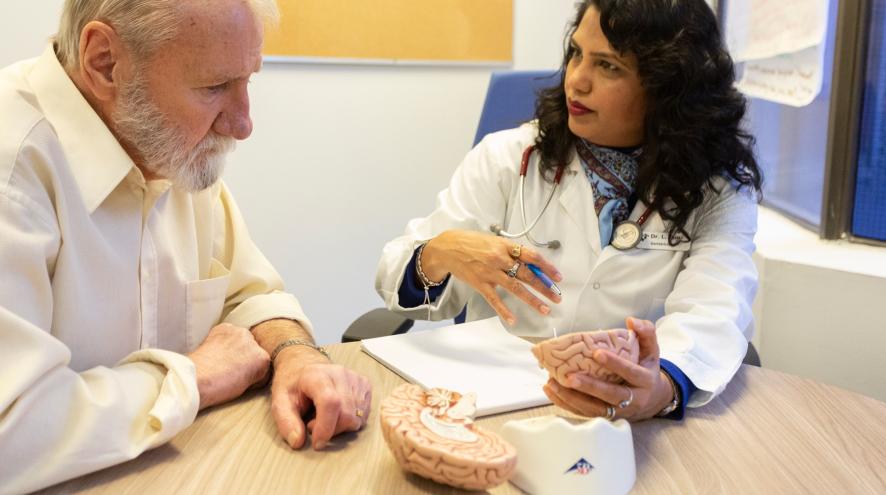
Canada’s Drug Agency (CDA), which evaluates the clinical evidence, safety, cost effectiveness and system readiness of new medications, has issued a revised draft recommendation to reimburse lecanemab (Leqembi®). This is a reversal of the original recommendation issued by the CDA, which was issued for feedback in February 2026, and suggested that lecanemab not be reimbursed. Across the country, CDA’s recommendations are used to advise provinces and territories on public funding decisions, making today a hopeful day for people affected by Alzheimer’s disease.
Lecanemab is the first new treatment for Alzheimer’s disease in more than a decade. While lecanemab is not a cure, and only for people in the early stages of Alzheimer’s disease (i.e., mild cognitive impairment or mild dementia due to Alzheimer’s disease), Canada’s Drug Agency’s revised decision represents an important advancement in how we approach treatment and care.
“CDA’s recommendation that lecanemab be covered by public drug plans marks a positive step forward for Canadians affected by Alzheimer’s disease,” said Cathryn France, Interim CEO of the Alzheimer Society of BC and Yukon.
“For people living with Alzheimer’s disease, their families and care partners, advances in research are bringing renewed hope. Emerging treatments may help slow disease progression, allowing some people to maintain their independence, relationships and quality of life for longer."
This recommendation is an important step toward improving access to new treatment options for people in British Columbia and the Yukon. We are pleased that the CDA process gave us, together with Alzheimer Societies across the country, an opportunity to ensure the perspectives of the people we serve were heard.
The Alzheimer Society of BC and Yukon will continue to advocate for equitable access to emerging treatment options, while amplifying the voices of people with lived experience. As new therapies become available, it will be essential to ensure that the health-care system is equipped to support timely diagnosis, treatment, monitoring and follow-up care. For lecanemab specifically, this includes access to regular MRI scans to monitor for potential side effects as well as the clinical infrastructure needed to deliver infusions every two weeks. These considerations underscore the importance of a coordinated and equitable approach to care, so people affected by Alzheimer’s disease can access both emerging treatments and the supports they need.
While emerging therapies bring tremendous hope to our community, we know people living with dementia and the people who support them also need help today. If you have questions about Alzheimer’s disease or other dementias, the Alzheimer Society of BC and Yukon's First Link® Dementia Helpline is available to provide information, education and support.