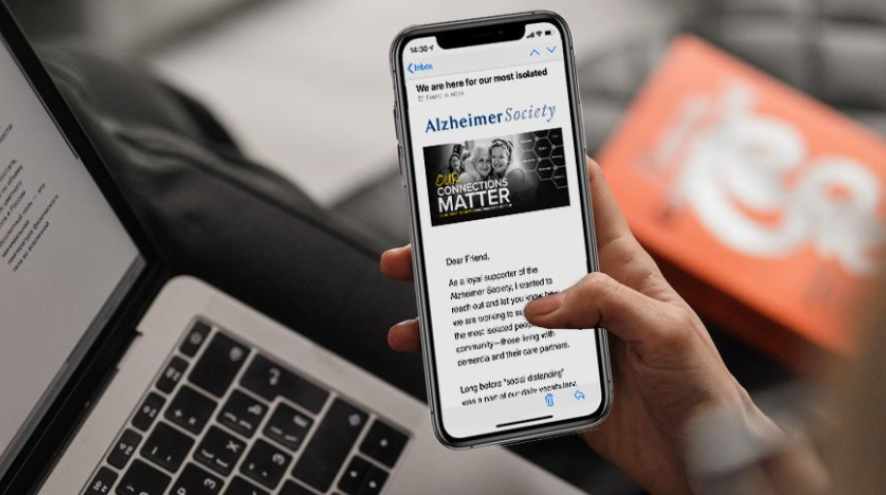
Annual General Meeting
Annual General Meeting featuring a light dinner, and a Social Recreation Program Demonstration about the Minds in Motion® Program. 5:30 pm at Betty Cardno Memorial Centre, Clinton. Tickets $10
Learn More or Register
We're here to help.
What information are you looking for?
Education Hour Online
Join us for our FREE one hour virtual education sessions. Dementia Basics, Brain Health ... we cover the topics you want to hear about most. Register and start learning online today!
See CalendarRegister here
Who are you Walking for?
Make memories matter. Walk with us to support dementia programs and services in your community, honour loved ones, and ensure no one faces dementia alone.
Register todayCathy's $28,000 Walk
Programs and services
Find Alzheimer Society Huron Perth resources here: Support, Dementia education, Minds in Motion, Recreation programs, Referral services and more.
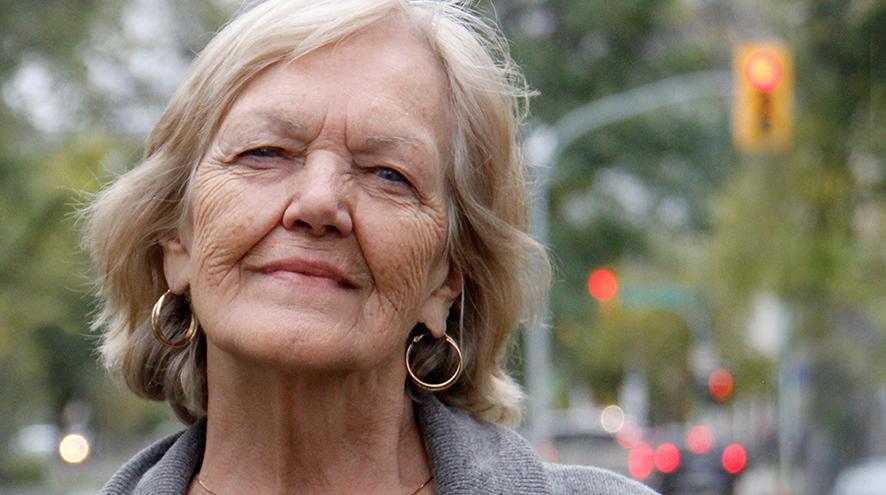
First Link®
If you are newly diagnosed with dementia, First Link® can connect you to the help you need as soon as possible.

Fundraise and participate
There are lots of ways to get involved! Learn more about how you can raise funds for the Alzheimer Society Huron Perth.

Program Guide
Find out what is going on at the Alzheimer Society Huron Perth! See our current listings for our Education, Recreation, and Support Programs.

Registered Client - Quick Links
Registered client resources - just a click away!

Contact us
If you or someone you know is impacted by dementia and needs a little support, please connect with the Society by phone, email, or drop by one of our offices.

Join our monthly e-newsletter!
Stay connected with us! Subscribe to our newsletter for the latest news and updates from our teams on our programs, resources, and more.
Sign Up!